Best Electronics Recycling for Business Recycling
Eco-Friendly Approaches: How E-Waste Recycling Services Are Preserving Our Planet
E-waste represents a considerable hazard to the environment, as discarded electronics often contain toxic materials. These hazardous substances can contaminate soil and water, causing extensive damage to surrounding ecosystems. E-waste recycling services present a viable solution. They successfully retrieve useful resources while simultaneously minimizing environmental pollution. Understanding how these services operate and their impact on communities is essential. The journey towards effective e-waste management raises critical questions about individual responsibility and collective action. What steps can be taken next?
Why Electronic Waste Is Harmful to the Planet
Even though technological advancements improve our daily lives, e-waste poses serious threats to the environment. Disposed electronic equipment, frequently composed of dangerous compounds like mercury, lead, and cadmium, can leach toxins into soil and groundwater, presenting dangers to ecosystems and human health. The rapid pace of technological advancement results in increased consumer turnover of electronics, intensifying the growing problem of e-waste.
Landfills, already strained by waste, are unable to keep up with the rising quantities of abandoned electronics. Incineration, another disposal method, releases harmful pollutants into the atmosphere, contributing to air quality degradation. Furthermore, inadequate recycling methods can result in the shipment of electronic waste to underdeveloped nations, where workers may break down equipment without proper protective measures, putting themselves at risk of exposure to hazardous materials. This pattern of negligence and mismanagement highlights the critical demand for eco-friendly recycling alternatives that can reduce the damaging impact of electronic waste on the environment.
What Is E-Waste and Its Importance?
E-waste, also referred to as electronic waste, includes obsolete electronic products like televisions, computers, and smartphones that have reached the end of their useful life. This growing category of waste is significant owing to its accelerating volume, driven by technological advancements and consumer trends. As more devices become obsolete, the ecological consequences become more pronounced, with toxic materials such as lead, mercury, and cadmium threatening both ecosystems and public health.
Addressing e-waste is crucial not only for reducing these dangers but also for acknowledging the precious materials found within it. Critical metals and rare earth components can be reclaimed and recycled, decreasing the reliance on mining and protecting natural resources. With a thorough understanding of e-waste and its impact, people and organizations alike can make educated decisions about disposal and recycling, helping to build a more sustainable world. Effective handling of e-waste is vital for encouraging a circular economy and advancing environmental responsibility.
How the E-Waste Recycling Process Works
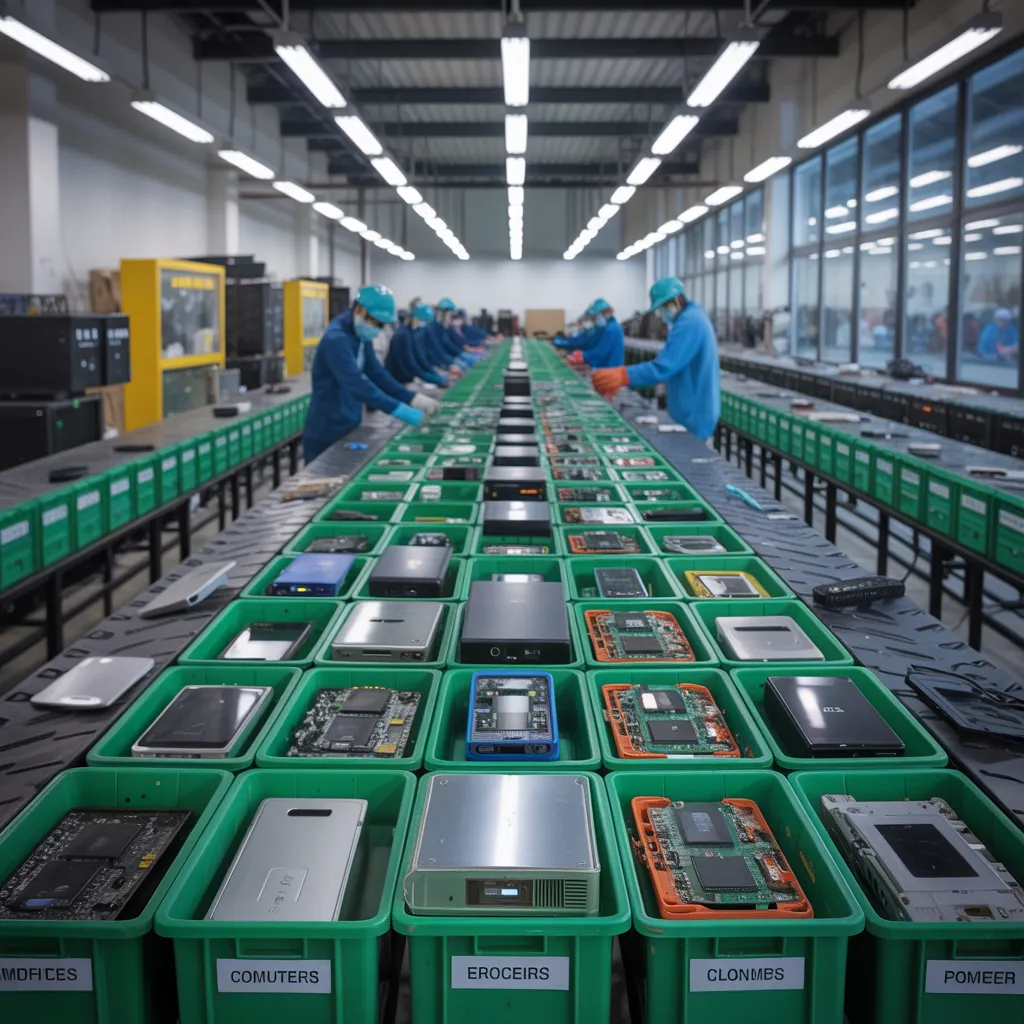
The recycling of e-waste encompasses a structured approach aimed at reclaiming useful resources while limiting ecological damage. Initially, discarded electronics are retrieved and sent to dedicated processing centers. Upon arrival, the equipment is meticulously organized to isolate dangerous parts from recoverable materials.
Following this, technicians take apart the products, recovering plastics, metals, and glass. This step is critical, as it allows for the recovery of precious metals like copper, gold, and silver, which are repurposed in modern electronics.
Next, the divided materials are handled via cutting-edge techniques, such as shredding and chemical treatments, to purify them for further use.
In the final step, the remaining hazardous waste is handled with responsibility, complying with environmental guidelines. This systematic method not only preserves valuable resources but also mitigates the risks connected to unsafe e-waste handling, ensuring a more sustainable future for electronic consumption.
Benefits of E-Waste Recycling for You and Your Community
Though many people are unaware, the positive effects of e-waste recycling go far beyond individual benefit and actively shape entire communities. By properly recycling electronic waste, individuals help foster a safer environment, reducing toxic components that can contaminate soil and water. This proactive approach actively safeguards local ecosystems and supports public health.
In addition, electronic waste recycling supports workforce growth within communities. Community recycling operations commonly require workers for a range of functions, covering everything from collection to processing, thus generating valuable job opportunities for local residents. This not only stimulates the local economy but also fosters community involvement in eco-friendly practices.
Moreover, familiarity with e-waste recycling may result in learning opportunities, empowering residents to embrace sustainable practices. By enrolling in e-waste recycling programs, individuals promote a culture of sustainability, encouraging others to join the movement. All things considered, the cumulative impact of these actions can create a more sustainable and conscientious community.
A Guide to Selecting an E-Waste Recycling Service
Choosing the best e-waste recycling service is crucial for guaranteeing that electronic refuse is processed in a responsible and sustainable manner. First, individuals should check the company's certifications, such as e-Stewards or R2, which indicate conformance to professional guidelines for secure waste disposal procedures. Additionally, it is advisable to evaluate the provider's reputation by reviewing feedback and obtaining advice from dependable sources.
Moreover, openness in the recycling process is crucial. A dependable service should offer detailed insights about how e-waste is processed and what becomes of the materials. Moreover, considering the scope of services provided can prove valuable; various firms may supply retrieval services or extend benefits for recycling.
In addition, being aware of local guidelines related to e-waste disposal can help inform the selection process. By prioritizing these factors, residents can actively participate in responsible e-waste disposal while also advancing eco-friendly habits.
Ways You Can Participate in E-Waste Recycling?
Getting involved with e-waste recycling may begin at the local level, where local recycling facilities often provide essential services for proper disposal. Furthermore, participating in community awareness campaigns can enhance efforts to inform others regarding the importance of proper e-waste handling. These actions not only encourage sustainable practices but also cultivate a collective sense of stewardship of the environment.
Local Recycling Centers
Numerous neighborhood recycling stations serve a vital function in the recycling of e-waste, giving communities practical solutions to dispose of electronic waste responsibly. These stations receive a variety of digital devices, including old computers, smartphones, and televisions, verifying that toxic materials are disposed of safely. Many hubs feature knowledgeable personnel who help individuals navigate appropriate disposal procedures, stressing the significance of recycling instead of landfilling. In addition, various hubs coordinate scheduled drop-off occasions or specific collection dates, making participation convenient for residents. By taking advantage of these neighborhood resources, individuals contribute to a circular economy, lowering environmental harm and encouraging sustainable habits. Partnering with these facilities encourages communities to fight e-waste pollution decisively.
Community Education Campaigns
Local organizations, schools, and businesses can collaborate to host events that promote e-waste collection drives. Community members can serve a critical function in spreading awareness, distributing educational materials, and engaging with the community. As a result of these combined actions, residents become more informed and motivated to recycle their electronic waste, thereby helping to build a greener and more sustainable tomorrow.
Frequently Asked Questions
What Electronic Devices Are Eligible for Recycling?
Numerous electronics are able to be recycled, including computers, smartphones, televisions, laptops, gaming consoles, and printers. Additionally, peripherals such as keyboards, mice, and batteries are also suitable for recycling, aiding in eco-friendly conservation initiatives.
Are There Any Costs Associated With E-Waste Recycling?
Indeed, e-waste recycling may involve charges, subject to the facility. Some service centers impose charges for pickup or handling, Learn more while some providers make services available at no charge, often subsidized by the proceeds from salvaged materials.
How Can Businesses Benefit From E-Waste Recycling?
Businesses can benefit from e-waste recycling by reducing disposal costs, improving their green reputation, adhering to regulatory requirements, reclaiming useful materials, and possibly earning income through resale, ultimately contributing to a more sustainable operational strategy.
What Becomes of Data on Recycled Devices?
Information regarding recycled devices is often permanently erased or obliterated throughout the recycling process. This ensures private details stays protected, stopping improper access while allowing components to be reused carefully and ethically within new applications.
Are Broken Electronics Eligible for Recycling?
Yes, defective electronics are able to be recycled. Several collection points accept defective devices, ensuring safe disposal and extraction of recoverable materials. It helps lower the environmental footprint while fostering responsible recycling practices to address e-waste efficiently.